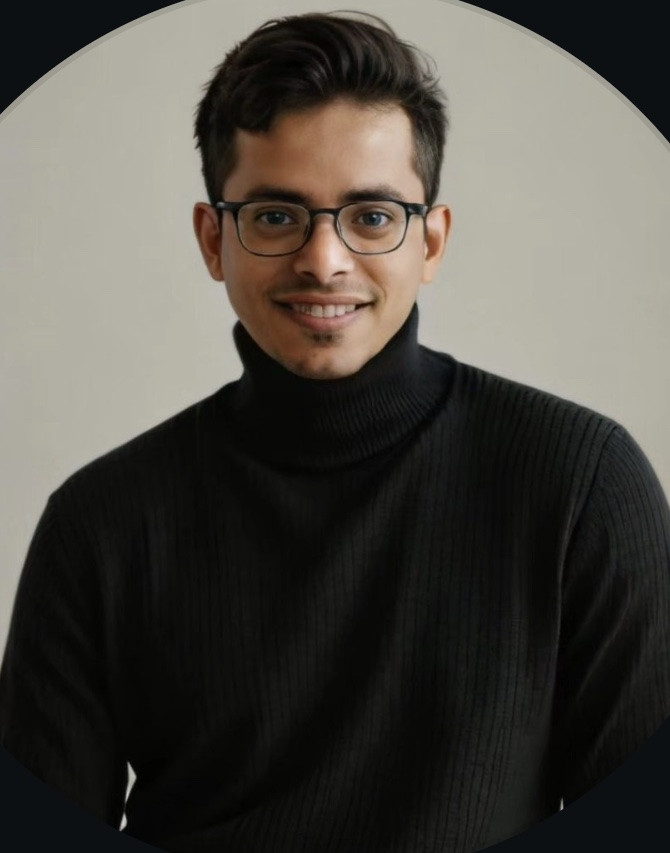
My name is Anas. I am 34 years old; I am originally from Yemen, and I currently reside in the Netherlands.
I am standing here to share my story, but in truth, this is not just the story of Anas. It is the story of a war-torn country. It is the story of young people who watched their dreams vanish into the rubble of destruction. But most importantly, it is the story of vulnerable, yet incredibly resilient communities.
Growing up, I lived a normal life with my mother and four siblings. When my father passed away when I was 10 years old my mother stepped up, wrapping our family in love, care, and support. As the oldest son, I always knew that one day I would need to fill my father’s shoes: to look after my younger brothers and sisters and secure our livelihood.
I worked hard, went to university, and in 2015, I graduated with bachelor’s degree, I was ambitious. I dreamed of a peaceful life full of opportunities where I could unleash my potential, grow personally and professionally, and make my dreams a reality.
Instead, everything changed. My dreams were shattered by the first terrifying airstrikes that hit my country in 2015. The situation was chaotic. Schools, businesses, and companies shut down. We stayed indoors, terrified of random, unexpected bombardments. The prices of food, fuel, and water skyrocketed. Since that year, our country, our dreams, our dignity, and our safety have been stolen from us. Sadly, the situation only worsened as Yemen fractured, divided and managed by different warring parties.
Feeling a deep sense of responsibility toward my community, I began looking for ways to help. I sought opportunities with humanitarian organizations and, fortunately, joined the (WHO) as a project coordinator in June 2014.
By then, our health infrastructure was almost entirely paralyzed. Yemenis affected by the conflict had little to no access to adequate healthcare. In rural areas, the situation was especially dire; people would travel immense distances just to reach a hospital.
I met people in Khamir, Amran who traveled by foot for seven hours to get medical care. By the time they arrived, they were already in critical condition, and tragically, some passed away before they could even be treated.
During my time with the WHO Yemen Country Office, we served internally displaced communities. I will never forget their struggles, their tears of pain, or their stories of profound loss. Yet, remarkably, I also remember their smiles and their unwavering aspirations for a decent life and a better tomorrow.
One memory is permanently etched in my mind: two displaced families living together in a single, cramped tent. Despite their desperate need, they insisted on sharing their severely limited food and water with us. It was a display of extraordinary generosity and dignity.
Another memory is of a father who brought his severely malnourished daughter to the hospital in a desperate attempt to save her life. His wife had passed away, and with no one else to look after his five other children, he had been unable to bring his sick daughter to the hospital sooner.
Our work wasn't limited to displaced communities; we also served those directly injured by the airstrikes. One woman in her late sixties had suffered severe burns to her face and hands following an explosion. Despite the agonizing pain of regular dressing changes and the severity of her injuries, her spirit remained remarkably positive. She initially made good progress, but devastatingly, she later passed away from a chest infection.
Despite this immense suffering, Yemenis displayed incredible resilience. But as the conflict dragged on, the cracks deepened. Unemployment, food insecurity, water shortages, and the total collapse of essential services placed crushing pressure on communities across the country.
I continued to serve these affected communities until a day arrived that changed my life forever.
In 2016, what began as a normal day turned into a tragedy within minutes. At around 3:43 p.m., an airstrike targeted a civilian location where hundreds of Yemenis had gathered. My team and I were nearby and immediately rushed to assist the survivors. The scene was chaotic, filled with rubble, dust, and complete devastation.
As we desperately searched for survivors, the area was struck a second time. I truly believed it was the end. By God's will the remaining twenty seconds were also the reason, and a stroke of luck, I survived. Many of my colleagues did not. That second strike killed members of my team and left me with life-changing injuries, including hemiplegia, partial body paralysis, a paralyzed stomach, and other severe physical trauma.
The incident didn’t just break me physically; the mental scars were just as profound. I couldn’t erase the terrible images of lifeless bodies, the agonizing screams of the injured, or the sight of survivors running for their lives.
I was overwhelmed by grief for my colleagues, the mission partners. I remembered how tirelessly they worked to save others, and I remembered our shared moments in the field, bound by common goals and principles.
It was a massive personal loss for me, and an ongoing nightmare for their families. But the greatest loss was for the country they so passionately served.
In June 2018, I had to leave Yemen to seek intensive medical treatment, which continues to this day. My injuries changed everything I even had to learn how to use my right hand instead of my left.
But the hardest part wasn't the physical agony. The hardest part was leaving my mother and siblings behind.
My father passed away when I was 10, leaving my mother to raise five children completely alone, including my youngest brother who was only a year and a half old at the time. She was both parents to me. When I was 23 and got my first job, I was so proud to finally tell her she could retire, taking on the responsibility for our family’s expenses myself.
Moving to the Netherlands alone for my recovery, without anyone to guide or advise me, was incredibly isolating. I constantly worried about my younger brother, who relied on me completely.
My time in the rehabilitation center was a grueling test of mental and physical endurance. I arrived barely able to walk, but I absolutely refused to give up. Fueled by hope and the distant love of my family, I pushed through. Today, I can walk again with the help of a foot brace, and I have regained the use of my left hand with supportive aids. It has been a long, agonizing road, but I survived it. To this day, my mother does not fully know why I left Yemen or the true extent of my injuries. It is enough for me to see her doing well, living without the heavy burden of worrying about her son.
But my survival, and the journey of thousands of Yemeni youth, brings me to why I am standing before you today.
When a crisis hits, young people are often viewed merely as victims or casualties. But I am here to tell you that in the darkest of times, young people are the first responders. We are the humanitarians, the peacebuilders, and the bedrock of our communities. My colleagues who lost their lives were young people with dreams, just like me. They didn't run away; they chose to stay and serve.
Therefore, my message to the international community, to policymakers, and to the organizations represented here today is this: Do not just look at the youth in the MENA region and in conflict zones worldwide through the lens of vulnerability.
Look at us through the lens of potential. Empower us. Invest in our education, provide us with platforms to lead, and give us the tools we need to rebuild our nations.
And finally, to my fellow young people whether you are here in this room or listening from a place where hope feels scarce: Do not let the rubble of destruction bury your dreams.
Our circumstances may have stolen our safety, but they cannot steal our will.
Our scars whether physical or invisible are not symbols of defeat. They are the ultimate proof of our resilience.
Keep dreaming, keep fighting for your communities, and never underestimate the power of your voice.