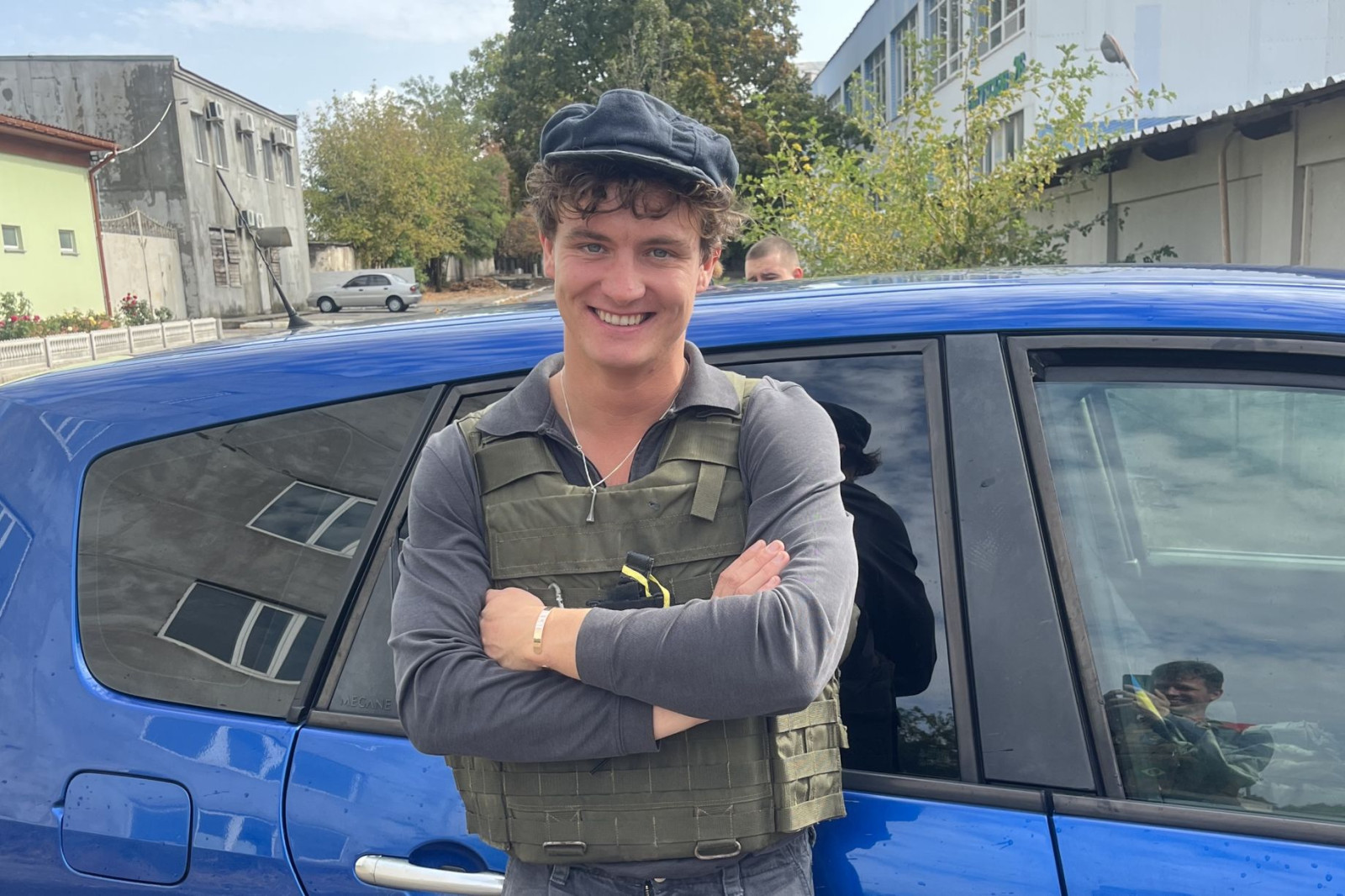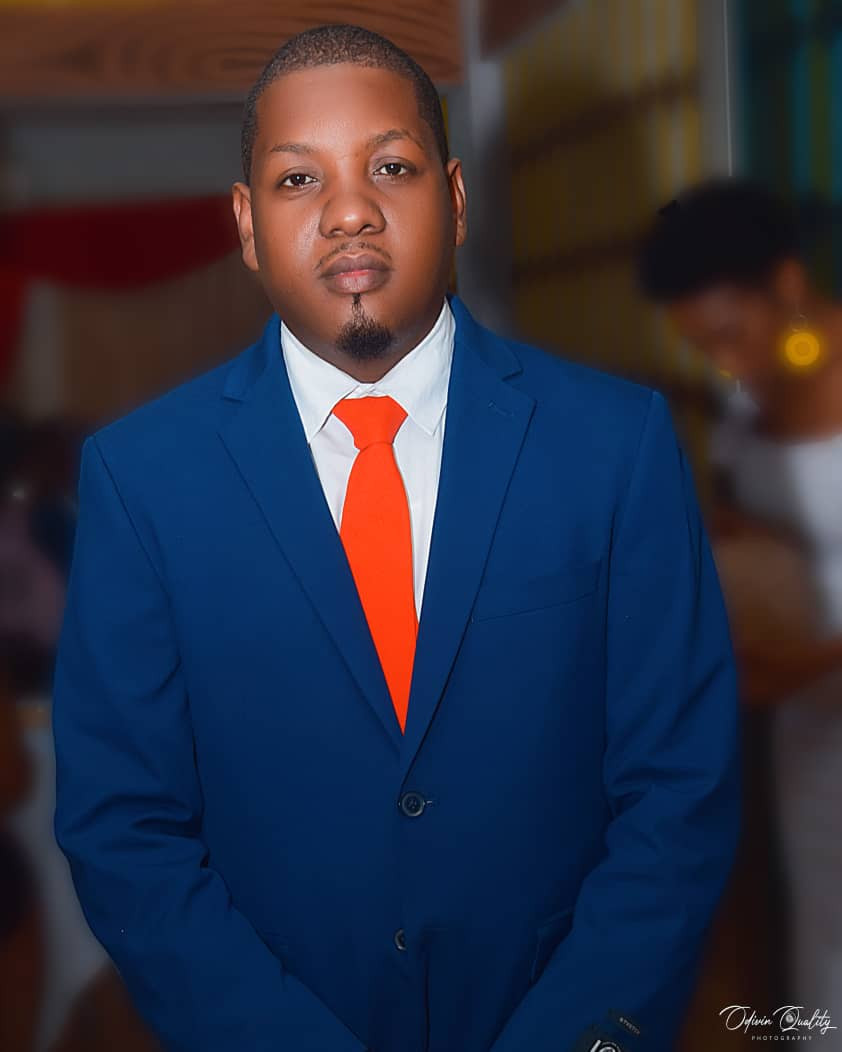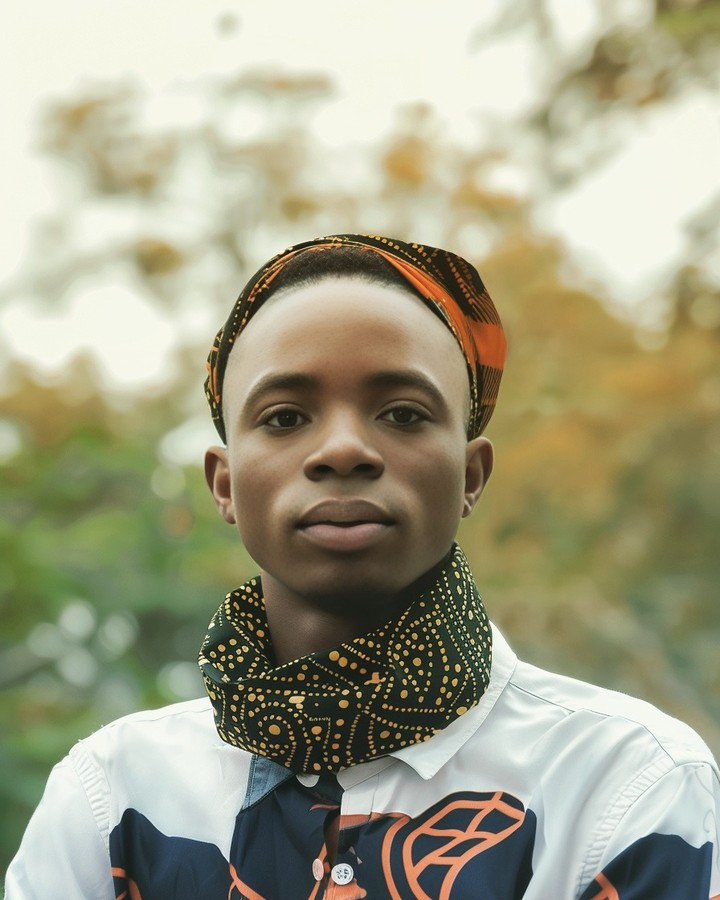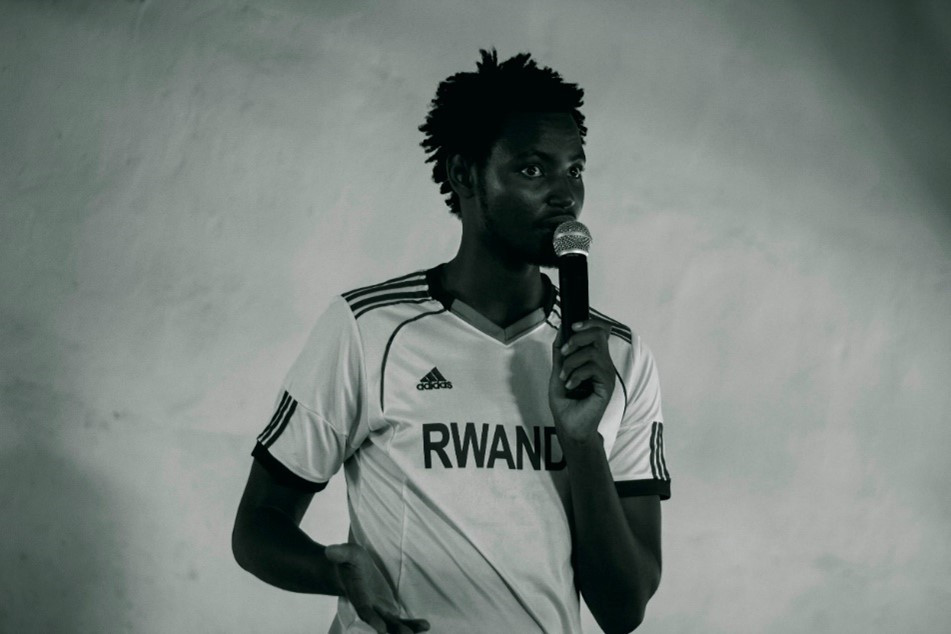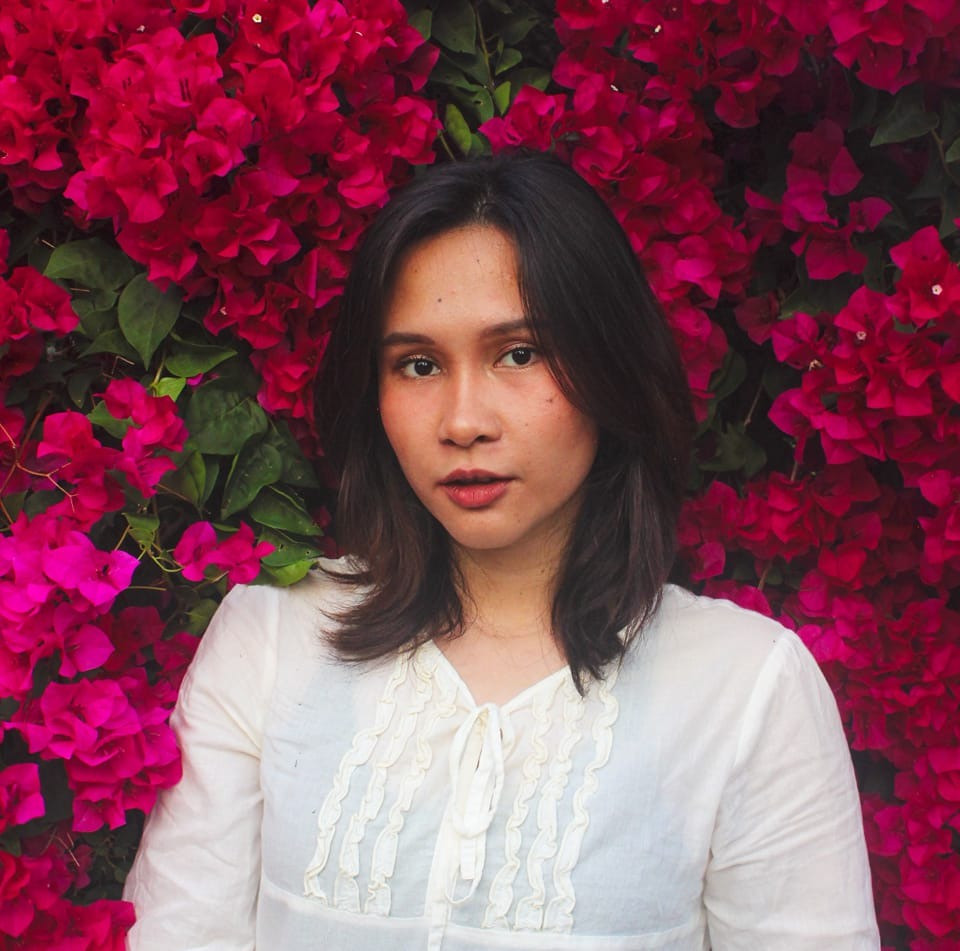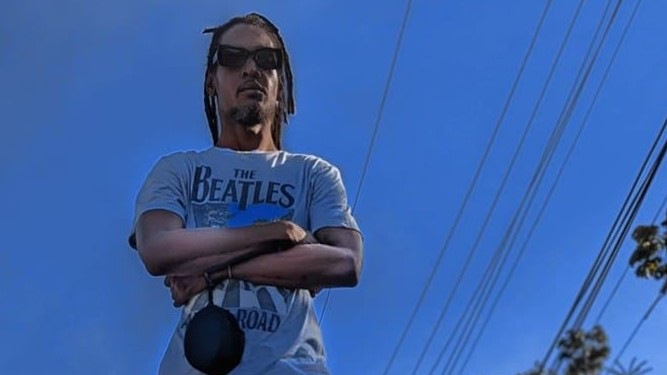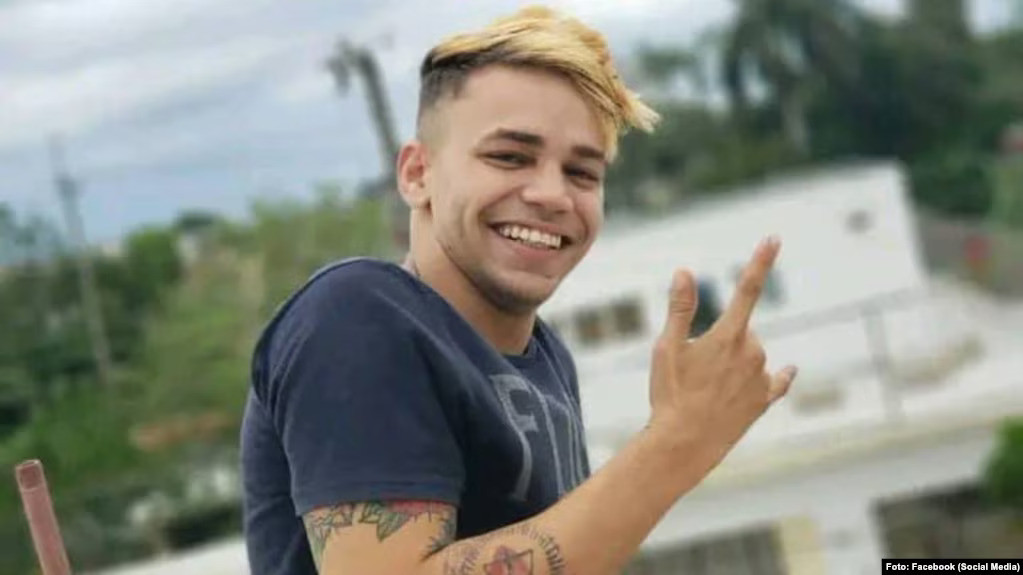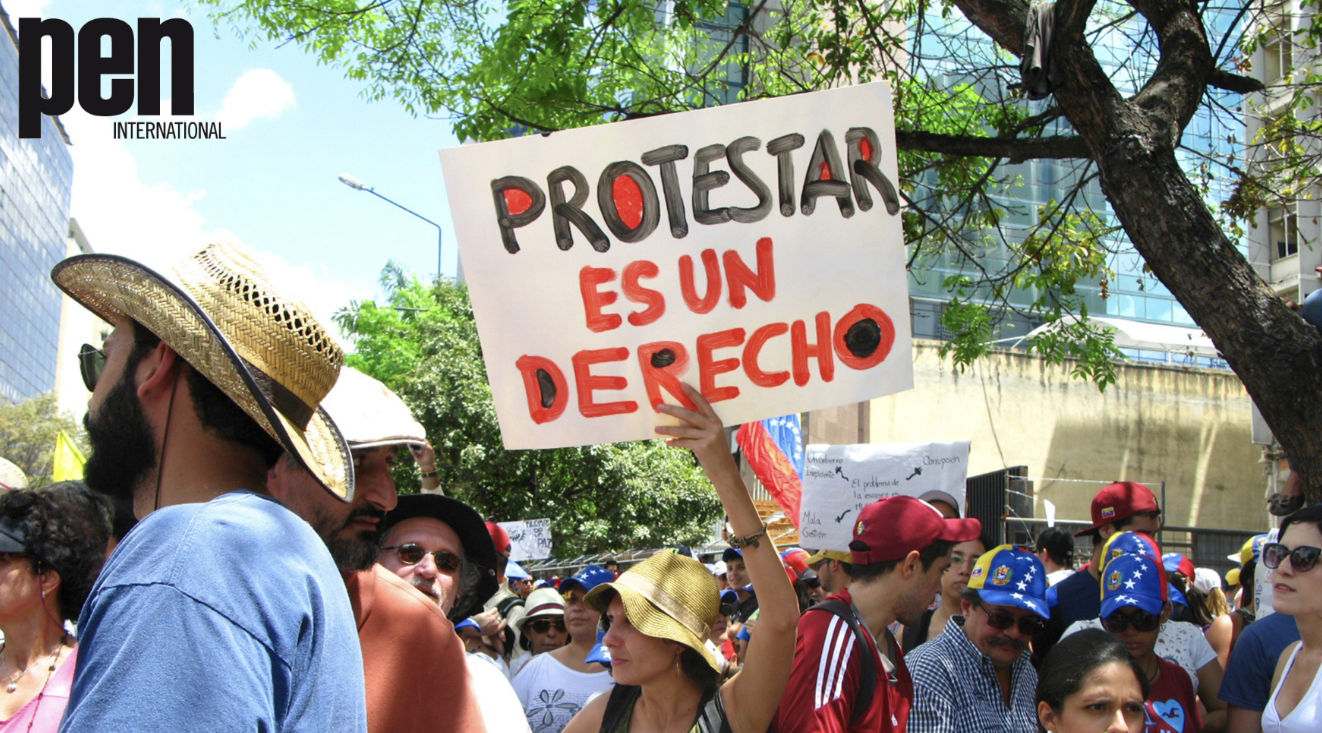

Listen: Podcast interview with Arizza Nocum on our Brave Young Voices Series
About how she came to be a peace builder, what that means and what are some trends and common qualities she is seeing working with younger leaders in the pursuit of a better world.
One peculiar accomplishment I had over the holidays was to faithfully rewatch all seasons of Stranger Things just in time for the finale. For many nights in December, I had a routine: finish an exhausting day wrapping up work for the year, camp out in bed for Netflix and dinner, skincare, then dream of Demogorgons as I sleep.
It was an odd thing. I'm not a big Stranger Things fan. I don't usually binge-watch. I like challenging myself during downtime (even when I know I shouldn't) - exercising, reading, Duolingo lessons. But this particular marathon gave me great comfort. Looking back, it was less because of the actual series - which to be fair I enjoyed a lot - and more because of what was happening beyond my Netflix screen.
Because in just a few weeks' time, it's as if global tectonic plates shifted under our feet and we've gone past a point of no return.
In nearly every continent, it feels that we are edging more closely towards a world of war rather than peace - where more governments attack one another and, brutally, their own people. Where democratic principles and values hang by a thread (if not yet completely broken). Where we lose rather than gain connections - severing our empathy and humanity in the process. Where we find it harder to dream, to dare to imagine that things will get better. These shifts have been there for months, even years, but the past few weeks have felt especially seismic.
In the Philippines, a country that celebrates Christmas for months - with Christmas trees and Santas usually up by September - the holidays didn't live up to the hype this time. Nothing dampens the holiday spirit like a massive dose of large-scale corruption, with billions of dollars for life-saving flood control infrastructure projects funneled into personal pockets in one of the most disaster-prone nations on earth.
So it's of little surprise that I sought comfort in the world of Hawkins. Despite the threat of powerful sorcerers and bloodthirsty monsters, it is a world where good eventually triumphs over evil. A world in which a merry band of friends can sort out its differences and work together like a puzzle assembling its pieces. A world where characters thrive on that foolish optimism that love conquers demons, deception, and even death.
It is a fantasy world, but I think I had good reason to cling to it. Because in 2026, and maybe for years to come, I need to be foolish. Despite all the evidence stacking in the other direction, I need to stupidly and stubbornly believe that things will get better. It sounds strange, abnormal even, but Jonathan Byers in Season 2 did say, "Nobody normal ever accomplished anything meaningful in this world."
For over a decade, I've been working on my own foolish project: the business of building peace and supporting young people as leaders and peacemakers. Our hypothesis is that the current state of the world rests a lot on the kind of leaders we have right now, and if the kind of leaders we have are driven by ego, greed, and hatred, then we need a new generation of leaders - better leaders, we hope - to step up to bat.
2025 was a landmark year we're very grateful for. Having supported thousands of young peacebuilders in the Philippines, we are now working with youth in four more countries. We've expanded the training programs we have to give these young leaders more skill sets and options to learn, to gain exposure, to build confidence. We've also been working on new partnerships because the work of peace is a work of many faiths, many cultures, many hands - government, private sector, schools, and more.
But behind the curtains, this all meant that our lean team had a daunting amount of work last year. Sleepless nights, long to-do lists, funding challenges - these were par for the course. Personally, what was heavier was the emotional toll of doing all of these things. Ask any advocate / activist / dreamer in the business of hope, and they will say that every thing they do - each event, proposal, essay, speech, problem solved, and crisis averted - is a work of heart. And man, in this day and age, the heart gets tired. Bone-tired. Even Eleven's superpowers wouldn't have been able to help.
This is why foolish optimism works. We need fuel to keep going even when scarier monsters - corruption, tyrants, the climate crisis - are afoot. We need to keep believing that even small good things can snowball into change. We need the delusion of hope to speak more loudly, write more, connect more, work harder.
But the most important thing here is the word "We". Mike Wheeler in Stranger Things said, "If we’re both going crazy, then we’ll go crazy together, right?"
We do need one another - even when we disagree. We have to acknowledge our sameness, our fallibility, our pride, and all the ways in which we are imperfectly human. We have to work together: separately in our own homes and cubicles and classrooms to eke out tiny spaces of compassion and listening in a world of chaos, and collectively as we vote, protest, or lead our communities and countries closer to a light at the end of the tunnel even when we can’t see it. Especially when we can’t see it.
If a lot of us keep being crazy enough, maybe this strange world we're imagining of equity, of empathy, of free expression, of justice, of peace can be real.