Originally published on Publishing Perspectives
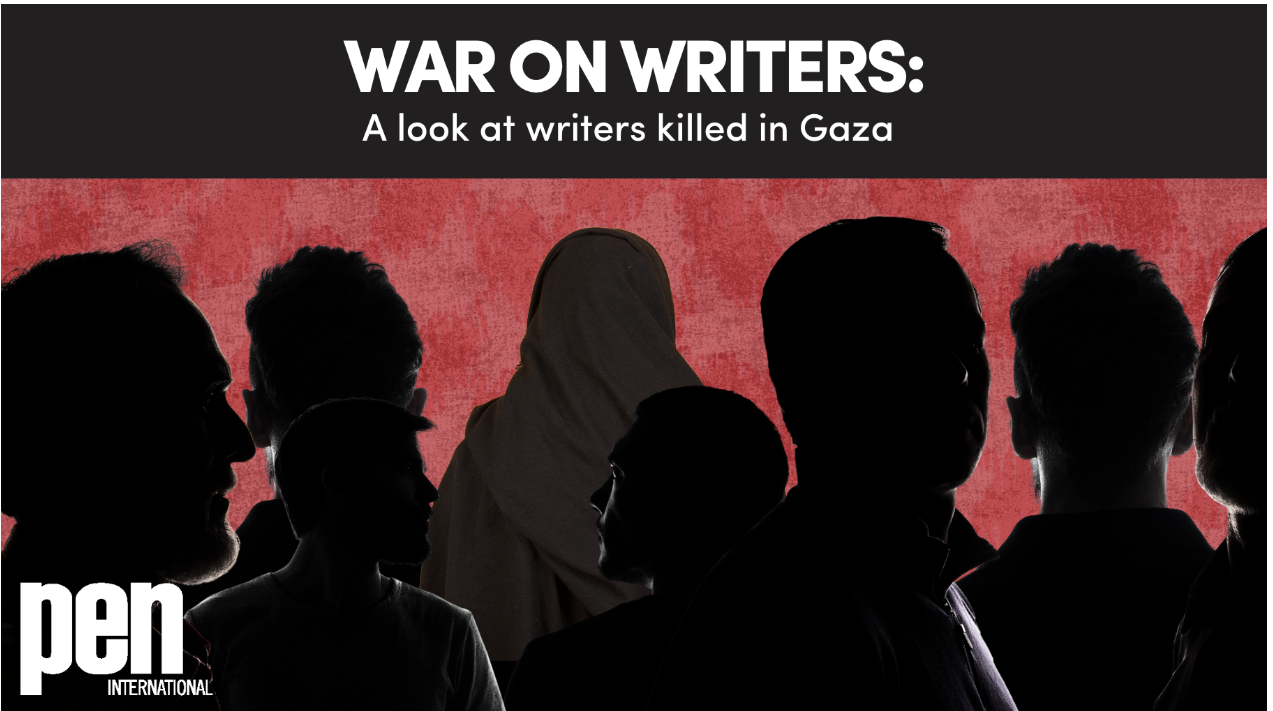
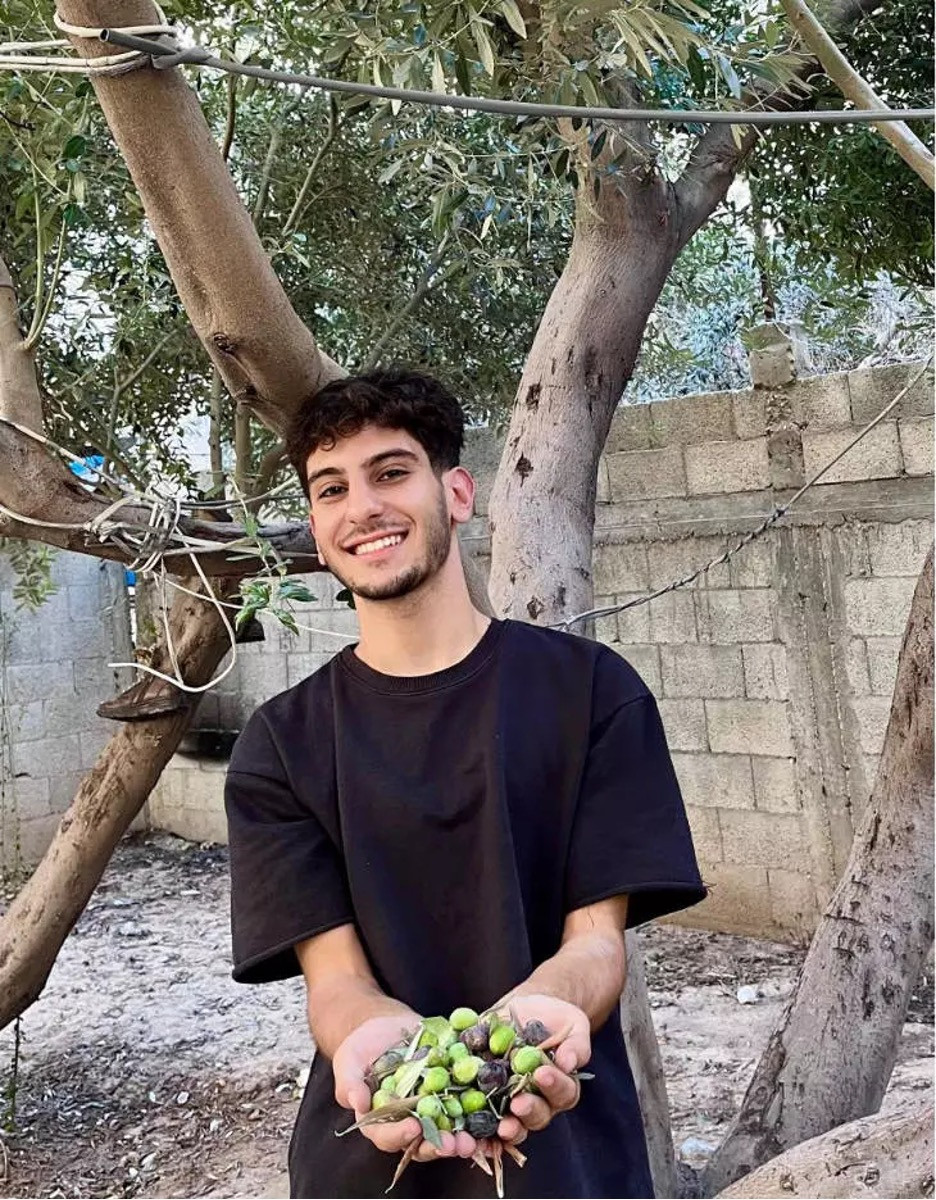
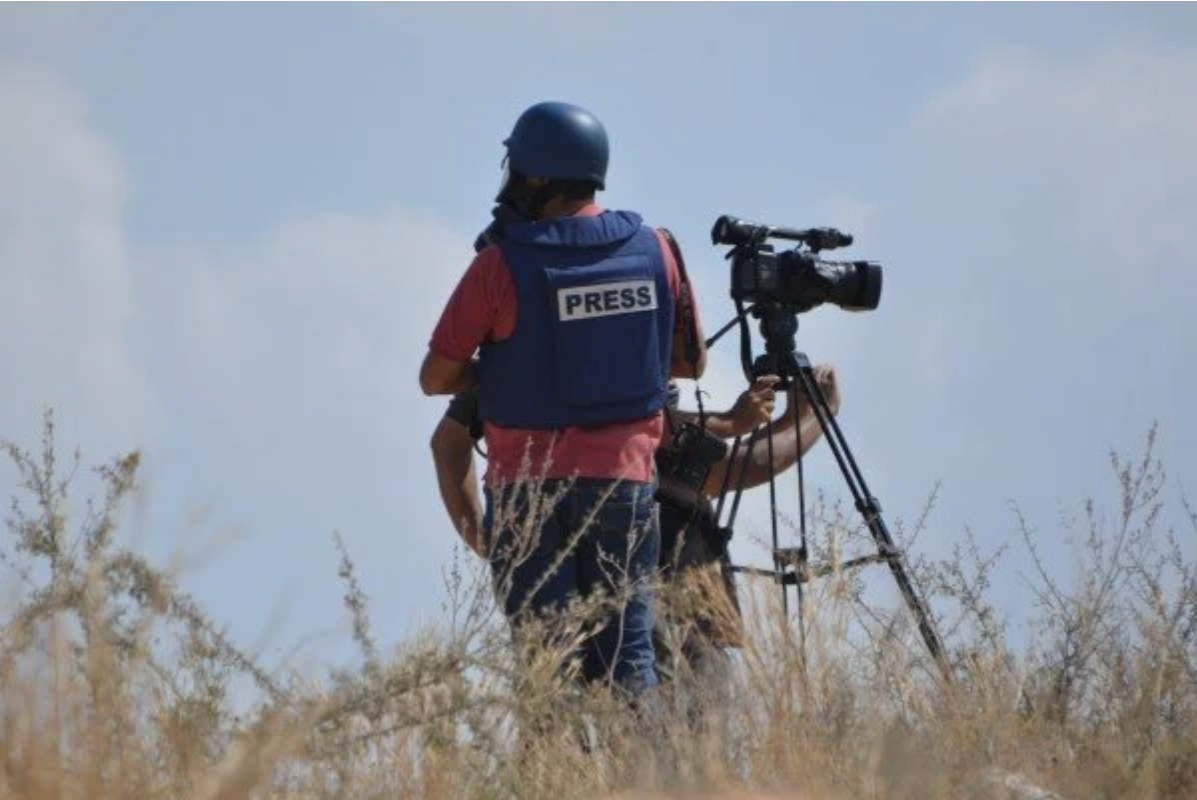
A few days before I travelled to the Frankfurt Book Fair, the world lost another beautiful soul: Saleh Aljaafarawi in Gaza. His killing weighed heavily on me. I had been speaking up for so long, yet nothing I said seemed capable of stopping the killing of people who should still be with us today. I found myself wondering what the point of my words really was. Why speak, why show up, if the violence continues? I ended up going to Frankfurt because my 15-year-old sister was with me, and I felt that if nothing else, I would go for her. In a world flooded with violence, where families lie beneath rubble and children are starved, I kept returning to the same question: What can words do to liberate a world under oppression?
With the Philippines as the guest of honor, the book fair opened with a speech by Senator Loren Legarda of the Republic of the Philippines. She entered the stage with wisdom, and I entered the room with curiosity. What could my words do? What could her words do? I listened with my question still echoing in my mind. Her speech brought with her the presence of José Rizal, the Philippine national hero & freedom fighter. Through her words, she allowed his voice to travel into the room. Rizal was executed not for violence, but for the power of his imagination, an imagination that was powerful enough to rouse a nation and ignite the first revolution in the Philippines. It is not weapons that oppressors fear most, but ideas that awaken people and liberate them from within. And this is what he did: through his words, he liberated the minds of the Filipinos, who then led the liberation of their people.
This truth appeared again during a panel honoring Victoria Amelina, the Ukrainian writer and war-crimes researcher killed in a Russian missile strike in Kramatorsk. Although she is no longer alive, her words continued traveling through those who carry her memory. It reminded me that words are contagious; they move across time, touch people deeply, liberate us inside, and allow us to pass that liberation forward. Rizal’s words traveled through centuries. Victoria’s words traveled through grief. And our words, too, continue that journey. In another panel on bookselling during wartime, Palestinian bookseller Mahmoud Muna explained that when governments fail, artists and writers become responsible for returning imagination to the world. Ukrainian bookseller Oleksii Erinchak embodied this truth, transforming his bookstore into a hub supporting his community and the Ukrainian army.
While checking the scheduled sessions, a title caught my attention: “Poetry for Freedom, Justice, and Peace.” This opened me to a space I had not yet explored, the Philippine Pavilion. When I stepped inside, I walked into something that felt much larger than a room. Later I learned the word that described what I felt there: Kapwa, the Filipino concept of a shared self, a shared humanity, where “you and I are not separate.” Even before knowing what it meant, I felt its essence in that space. The community had gathered to recite the poetry of Refaat Alareer, the Palestinian poet killed in Gaza. Through their recitation, Refaat’s spirit traveled, reminding me of how art becomes resistance and how stories allow the dead to continue touching the living. Curiosity brought me into that space; Kapwa kept me there.
In a discussion about home and belonging, a universal human need, we explored what happens when belonging becomes conditional, especially when we speak truths that make others uncomfortable. As a Palestinian-Ukrainian who speaks for both of her homelands, I asked how to navigate belonging when our truth challenges those around us, when our fight against propaganda becomes uncomfortable for the people we love. Should we stay silent to keep this sense of belonging, or speak our truth and risk losing it?
One speaker shared that belonging, for her, means standing on the right side of history. Those who join the side of justice and liberation are the ones we truly belong with.
Another added that even if older generations fear speaking up, they must create space for the younger generation to do so.
At a panel on the Constantino legacy, named after historian Renato Constantino, who highlighted the struggles of ordinary Filipinos against oppression and imperialism, his grandson, Red Constantino, spoke of the interconnectedness of struggles for freedom and climate justice, showing how historical fights for freedom connect to contemporary movements for social and environmental justice.
“You cannot decolonize without decarbonizing, and you cannot decarbonize without decolonizing,” he said. Our social, climate, and collective struggles are deeply interconnected. Another conversation with writer Angel Velasco Shaw deepened this understanding. “She spoke of decolonization beginning from within: to free the mind, we must return to our stories, our communities, and our ancestors. Only then can true liberation begin.”
Angel later gifted me her books Markets for Resistance, and, in her words, passed the flame of humanity, resistance, and Kapwa to me and to my generation, the young voices, who will hopefully carry this light into the world, break these cycles, liberate, and with that liberation spark a new cycle of life.
In a world where so many of us question what home and belonging truly mean, the Philippine Pavilion became a place where I understood both through the lens of solidarity. In a panel that brought together two Filipinos and two Palestinians to resist through art and storytelling, the space transformed into a circle of deep human connection. What began as a discussion slowly became an emotional sharing circle. When we feel heard and seen, we become more open to share our vulnerabilities, and so I did. I spoke about what was present in me: the pain of our losses and the love and appreciation of the solidarity I was feeling. My eyes welled with tears, and when I looked around, I saw that the eyes of others were tearing up too. These were tears of humanity, proof that when people are truly seen and heard, inner liberation begins. And from that inner liberation, collective liberation becomes possible.
The Philippine Pavilion became a hug for my soul, it became home to me, and the community became my family. So, when I headed to the panel I was invited to speak in, alongside other young storytellers, my community joined me. It was no longer just me as a storyteller; it was about us all. We explored the future of writing and free expression in a world where speaking the truth is costing writers, poets, journalists, and freedom writers their lives. I found myself asking: what about us? Are we, are you, truly free to speak the truth? When we say no one is free until we are all free, perhaps freedom is not only for the oppressed; it is also for those who fear speaking their minds. The struggle for liberation includes the liberation of our voices.
Some of the most beautiful moments of the book fair came from the friendships that formed, John, Joel, Ege, Arizza, Gulnaz, and sharing this journey with my younger sister Sandy. They reminded me that the impact we create for the world is sustained by the people around us, by genuine connection, by community. We also attended together the signing of Daybreak in Gaza, a collection of Palestinian stories, stories of those alive and those no longer alive, whose spirits continue through the words they left behind. It is through these stories that the memory of a people can never be erased. With this memory, we resist. And when we resist, we exist. In our existence, a nation survives, not just as land, but as spirit, as memory, as life itself.
So, what can our words truly do?
With all the wisdom I felt and heard at the Frankfurt Book Fair, and through the genuine interactions with writers, free souls, liberated minds, storytellers, and poets, I came closer to finding answers to my curiosity: how do we break cycles of violence and create new cycles of freedom and life?
Words. Words are free. They cannot be occupied. They live, even when we no longer do. Our words carry imagination, and imagination cannot be colonized. It is imagination that moves people deeply, stirs emotions, and, having stirred emotions, sparks action. And through solidarity and collective action, we achieve collective liberation for all. If one book by José Rizal awakened a nation, then perhaps our collective words, carried together in Kapwa, may awaken the world.
May we remember the power of Kapwa and carry it with us, to liberate ourselves, to liberate the world, and to live happily, freely, and collectively in a free, just, and liberated world.