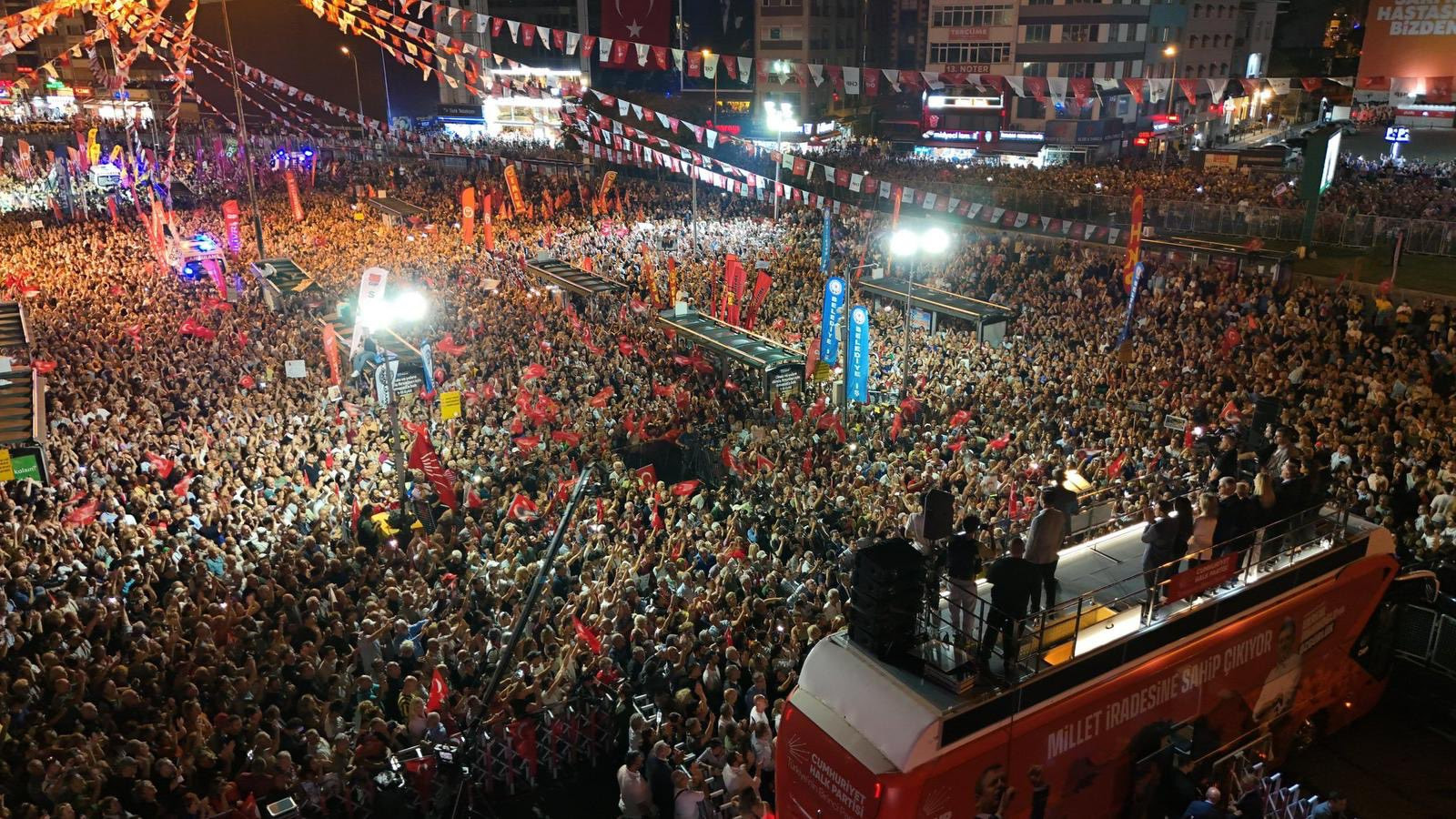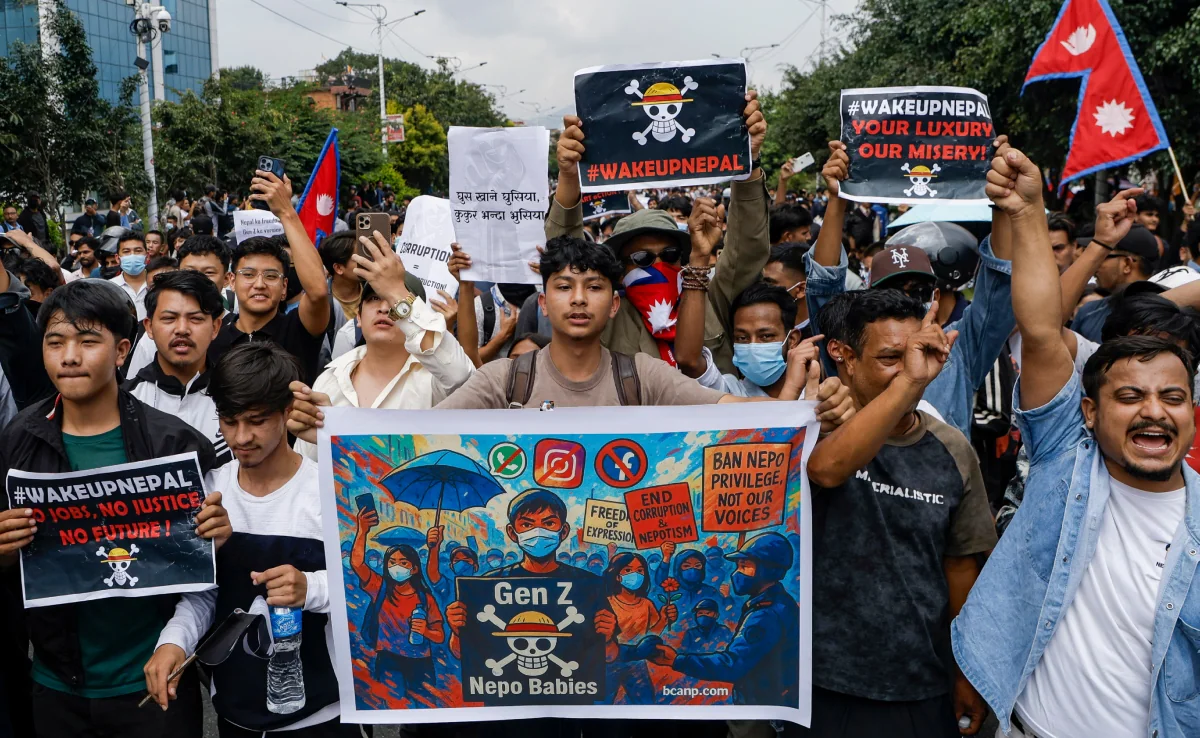
On 21 SEPTEMBER after she was installed by youthful protesters as Nepal’s electoral Prime Minister, Sushila Karki called her first all-party meeting. This was crucial and urgent because Karki has said her priority is to hold elections in March and then step down.
Nearly three months since violent protests left 75 people dead, the structures of the state is in smouldering ruins, and the future remains uncertain. The main political parties do not seem to have understood the rage that ignited the protests or taken responsibility for the shooting of young protesters, and the Gen Zs themselves are talking at cross purposes.
For one thing, Karki was not able to expand her cabinet of five ministers for a long time because Gen Z representatives had different demands and candidates. Many who had hoped for meaningful improvement in the way Nepal is governed after the elections are now worried that the discord among the youth will divide the vote and give the discredited political parties a chance for a comeback.
A brief political history
After 30 years of autocratic Panchayat rule, a people’s movement restored democracy in Nepal in 1990 and reinstated a multiparty, constitutional monarchy. But five short years later, Maoists launched a violent armed struggle that killed more than 17,000 people. The royal massacre in 2001 further destabilised the country, but the military coup by the new king Gyanendra Shah in 2005 brought political parties and the insurgents together for a ceasefire and an interim government.
An elected constituent assembly abolished the monarchy in 2008 and Nepal became a federal republic. But it did not take long for nepotism, corruption and infighting to extinguish the hopes of the 1990 People’s Movement. Nepal has had 14 prime ministers in the past 15 years. While development has faltered and unemployment has forced young people to migrate abroad for work. Nearly 16% of Nepal’s youth are overseas, and more than half of the population is below 35.
Young people tried to vote in independent candidates in the last elections in 2022, but the stranglehold of the three main parties was too strong. Corruption was institutionalised and for the young, social media was the one outlet where they could call out politicians, bureaucrats and their beneficiaries.
Initially, national and international media reported the uprising as being a protest against the government ban on social media, but that was only the spark. The ban on 26 social media platforms on 5 September, citing their lack of registration in Nepal, was just the last straw in the mountain of grievances that had piled up. Social media also allowed information and ideas about youth-led protests elsewhere, including Indonesia in August, to feed the anger.
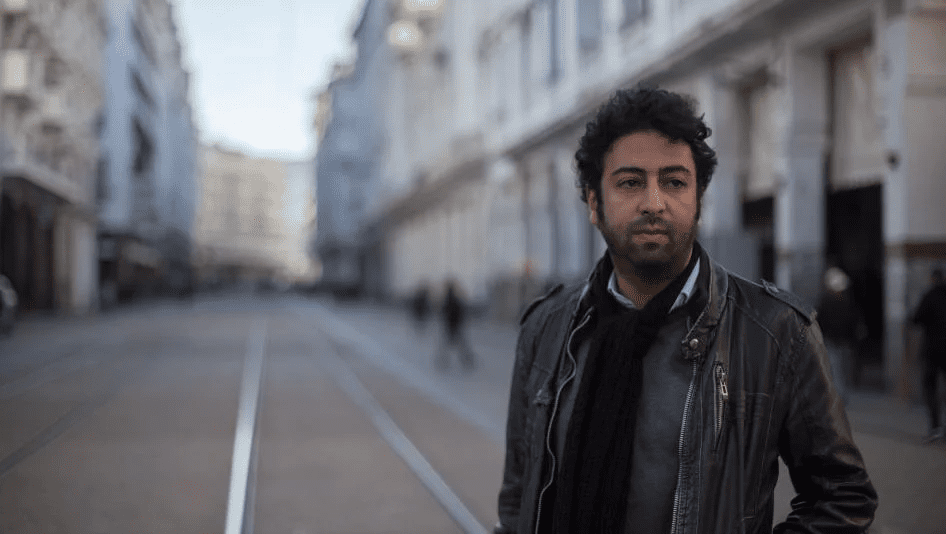
Ironically, while Nepal’s Gen Z were inspired by the Indonesians, dramatic TikTok and YouTube videos of burning government buildings in Kathmandu inspired youth-led protests everywhere from Morocco to Madagascar.
Censorship in Nepal
On World Press Freedom Day 2025, Reporters without Borders issued a map of Asia which showed Nepal as a yellow island of relative freedom in an expanse of red. Nepal was the last open society in South Asia, and except for Japan and Korea, the rest of Asia was also red.
However, Nepal’s elected leaders were learning from the neighbourhood (India and China) about how to muzzle the media. Successive governments have exercised creeping control over the free press: from journalists being sued for contempt of court and YouTubers being imprisoned, to the government introducing a slew of bills in Parliament to curtail freedom of expression.
In fact, just before the Gen Z protests, the government proposed a Social Media Bill to regulate online content, as well as an amendment to the Print and Publications Act that would hand the power to ban online media to the Chief District Officer (CDO). The ban on social media just as the youth were organising an anti-corruption rally in Kathmandu was the spark that lit the conflagration.
But Nepal’s new leaders have also been intolerant towards the press, labelling media companies as the “Dirt Dozen” and resorting to inflammatory comments on social media. The country’s biggest media group, Kantipur, and several others were attacked and torched during the 9 September riots. All this has led to a general dampening of press freedom, and journalists now admit to self-censorship to avoid being threatened or trolled.
One Piece
The Gen Z protest was a loose network of groups connected by social media, and had no real structure or leader. Immediately after the 8 September massacre outside Parliament, Sudan Gurung of the non-profit Hami Nepal came forward to represent the Gen Zers during trilateral talks with the Army and President and nominated former Chief Justice Sushila Karki as prime minister.
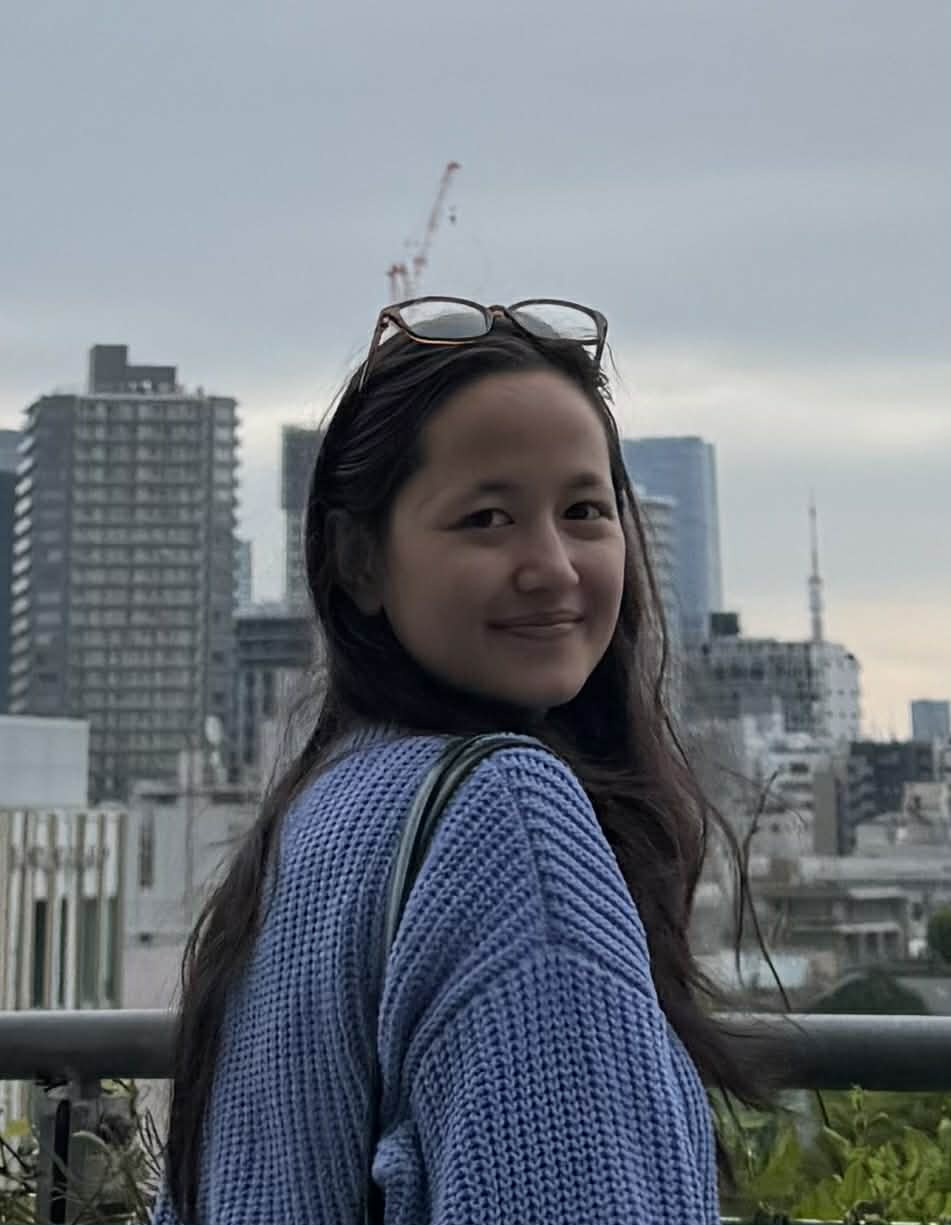
Karki, the first female prime minister of Nepal, was elected through the online platform Discord, but at least two distinct Gen Z camps emerged in the early stages: the first led by Gurung who went on to demand the resignation of the current chief justice, even as some within his group said constitutional provisions have to be respected. The second, led by Rakshya Bam, accused Gurung of trying to discard the constitution and democratic values. Last month, the names of four ministerial candidates were leaked in the media, one of them a climate activist and filmmaker, Tashi Lhazom. Social media rejection of her candidacy was immediate and divisive.
Many made xenophobic, discriminatory and misogynistic remarks against Lhazom who comes from an ethnic minority in the remote mountains of northwestern Nepal. Comments on social media cast doubts on Lhazom’s citizenship and even went as far as to suggest that she did not look or speak like a “Nepali”. Ironically, Gen Z representatives had urged the prime minister to include women, youth and people from marginalised groups in the interim government.
Eyes on the polls
In the aftermath of the protests, various groups, not limited to Gen Zs, have come up with varying demands ranging from provisions for a directly elected prime minister and amendments to the constitution to scrapping the federal constitution altogether.
This led to serious concerns, including in Madhes Province along the southern border with India, which has been historically excluded by the Nepali state. It was only with the federal Constitution in 2015 that the Madhesi people felt a flicker of hope that they would have representation.
Karki’s electoral government is only mandated to hold elections, not to change the constitution. And that is where there is a clash between what is legal and the kind of systemic change that some in the Gen Z camp demand.
There are other groups hoping to capitalise on the instability. The royalists want to reinstate Nepal’s Hindu monarchy. The independent RSP party has political ambitions and axes to grind because its head is in prison for corruption. Then there are former Maoists and others who are itching to reignite street protests Nepal goes to polls on 5 March 2026 and altogether 120 parties have applied with the Election Commission to contest them, over a third of them new. Speculation is rife about popular figures joining the race independently or forming an alliance. Meanwhile, older faces have formed new parties too. Only free, fair and peaceful elections will guarantee that the sacrifices of Gen Z protesters and destruction will not be in vain.
This article first appeared in Index on Censorship's winter 2025 magazine issue, Gen Z is revolting. Find out more.